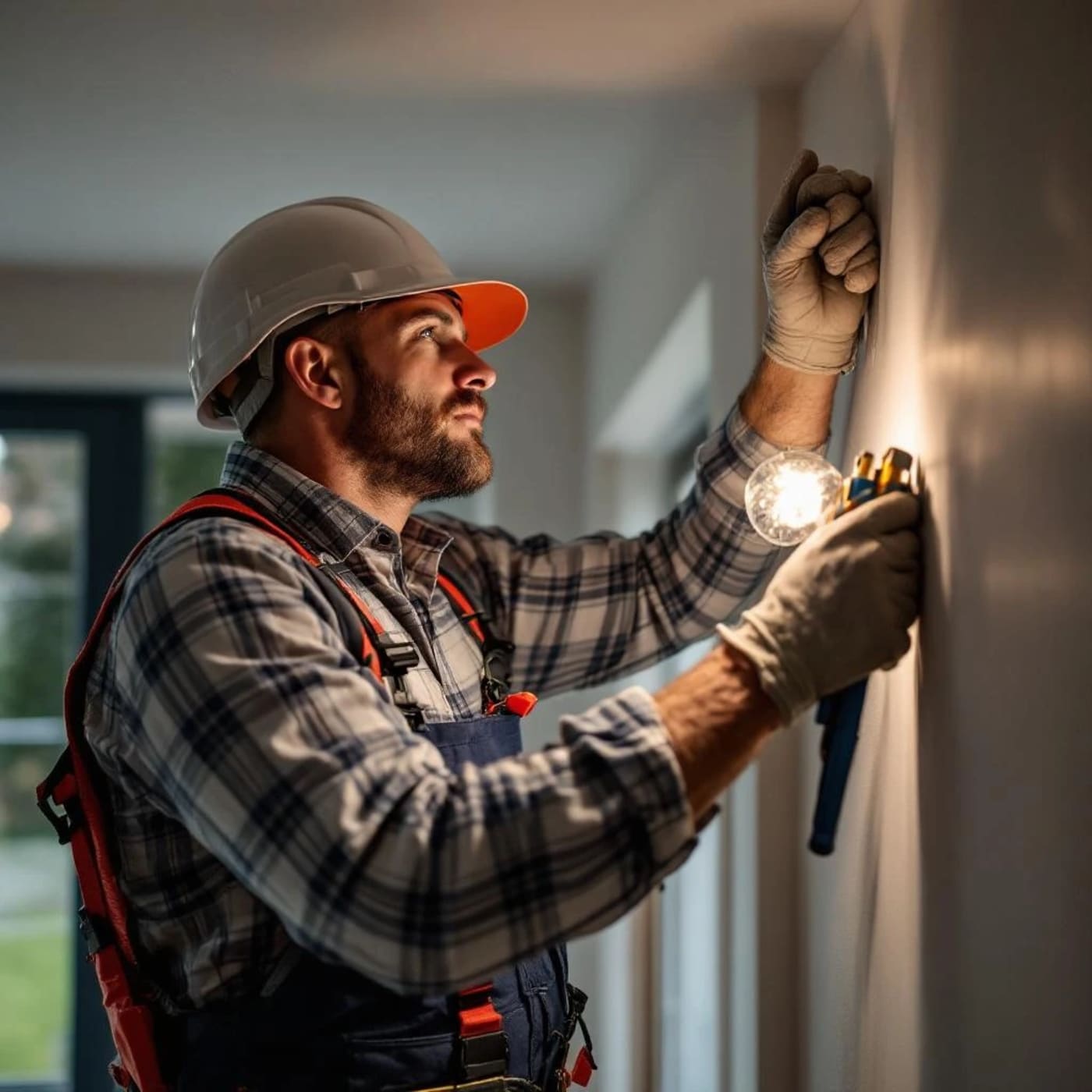
Do I Need an Electrician?
The clear answer: sometimes yes, sometimes no. Here's exactly where the line is.
5 min readThe quick answer
Swapping a light fitting like-for-like? No. You can do this yourself. Replacing one ceiling pendant with another, or one wall light with another in the same location, is perfectly legal and safe for a competent DIYer.
Adding new lights, moving lights, or working in bathrooms? Yes. You need a Part P qualified electrician. This is UK law, not a suggestion — and it matters for your new build warranty, home insurance, and the safety of your family.
What is Part P and why it matters
Part P is a section of the UK Building Regulations that covers electrical safety in homes. It was introduced in 2005 to reduce the number of electrical fires and deaths caused by dodgy DIY wiring.
In practical terms, it means that certain electrical jobs in your home must either be done by a Part P registered electrician or inspected by Building Control after completion. For a new build, this is especially important — your NHBC warranty may be affected if unqualified electrical work is done in the first 2 years.
A Part P registered electrician can self-certify their work and provide you with a certificate. Keep this — you'll need it when you sell the house.
Jobs that need a certified electrician
- Installing new light fittings where none existed before (e.g. adding downlights)
- Any work in a bathroom or within 3 metres of a bath or shower
- Outdoor electrical work — new circuits, outdoor sockets, hardwired garden lights
- Adding or modifying circuits at the consumer unit
- Installing a new consumer unit (fuse box)
- Under-floor heating electrical connections
- EV charger installation
- Kitchen electrical work involving new circuits
Jobs that are safe to DIY
- Replacing a light fitting like-for-like (pendant for pendant, flush for flush)
- Replacing a light switch (including swapping for a dimmer)
- Replacing plug sockets with the same type (e.g. single for single)
- Adding smart bulbs to existing fittings
- Installing low-voltage LED strip lighting that plugs into a socket
- Solar-powered outdoor lights (no mains connection)
The golden rule: if you're working with existing wiring in existing locations, DIY is fine. If you're creating new wiring, new locations, or working in wet rooms — call a professional.
How to find a trusted local electrician
Look for electricians who are registered with one of the approved Part P schemes: NICEIC, NAPIT, ELECSA, or BRE. These bodies check that the electrician is qualified, insured, and regularly assessed.
For new build work specifically, ask if they have experience with modern consumer units and wiring layouts — new builds use different configurations to older homes, and an electrician who mainly works on Victorian rewires might not be familiar with your setup.
Post a job on MyNewHomeHub and we'll match you with Part P qualified electricians in your area who specialise in new build homes.
Average costs for common lighting jobs
- Swap a ceiling pendant: DIY (free) or £40-£70 per fitting for an electrician
- Install 4-6 downlights: £250-£450 (electrician, including fittings)
- Install dimmer switches: £15-£25 each DIY, or £40-£60 each fitted
- Outside wall lights (pair): £200-£400 including labour and fittings
- Full room lighting redesign: £400-£800 (new circuits, downlights, dimmer switches)
- Smart lighting setup (whole house): £100-£300 for bulbs/hub, fitting is DIY
Need a qualified electrician?
Post a job for free and get quotes from Part P certified electricians near you.
Post a Job — FreeRecommended Products
 AD
ADAooshine Touch Table Lamp Grey USB
£14.98
 AD
ADEDISHINE Up Down Outside Wall Lights 2-Pack
£27.99
 AD
ADPhilips Hue Starter Kit E27 — 2 Bulbs + Button
£103.72
 AD
ADAooshine Modern Floor Lamp Black
£29.99
 AD
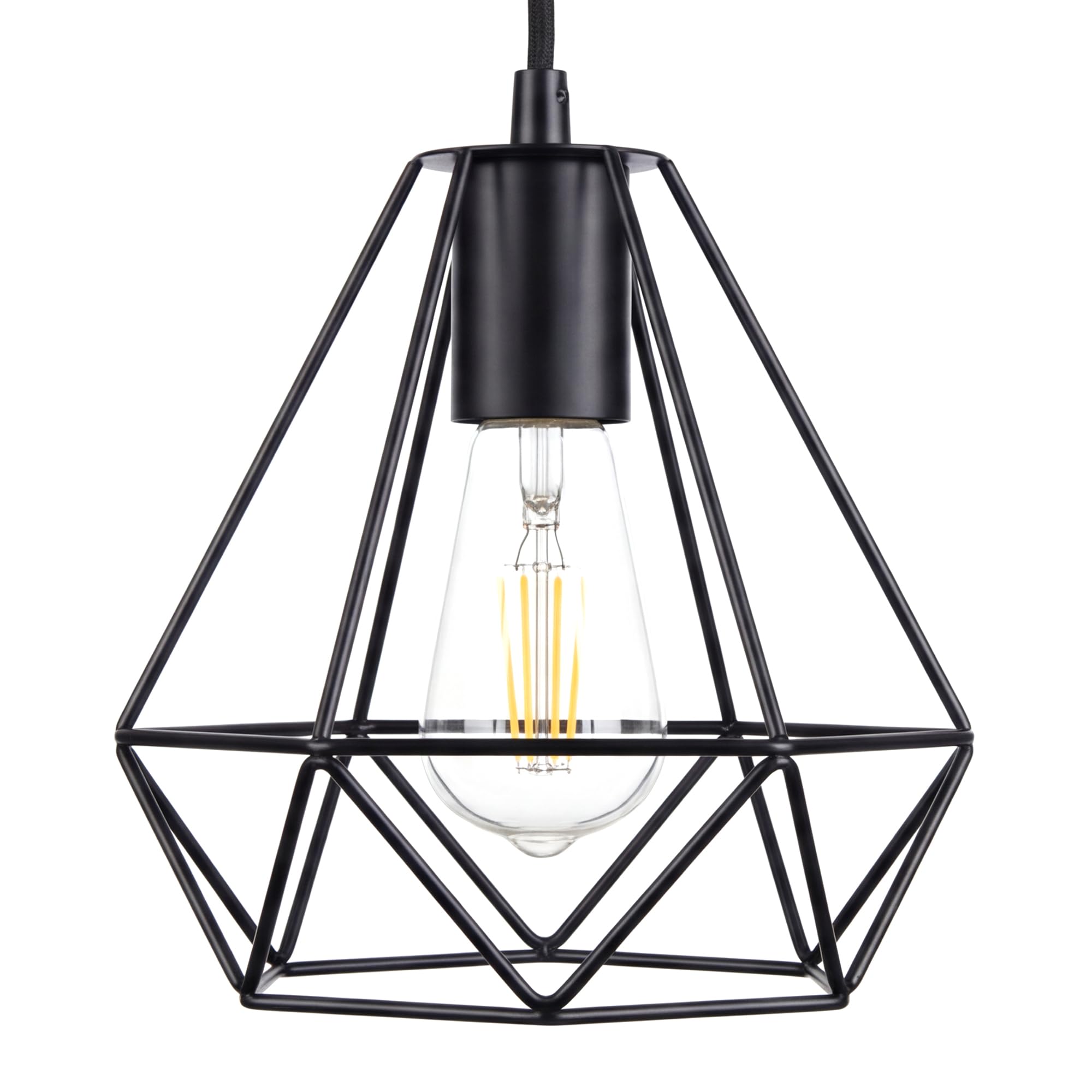
ADGIGGI Black Wire Basket Ceiling Light Shade
£11.04
 AD
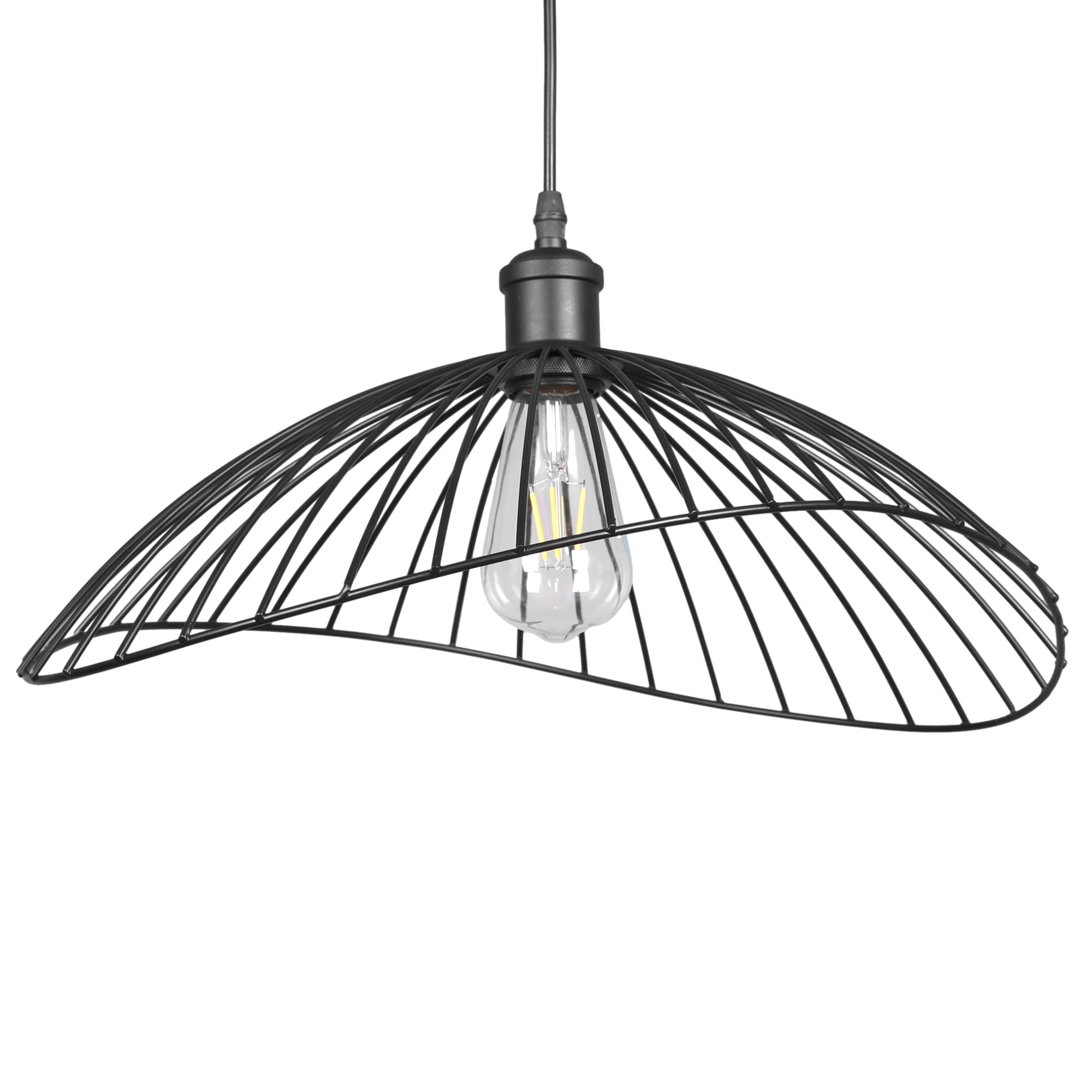
ADGIGGI Wavy Wire Black Ceiling Light Shade
£18.99
As an Amazon Associate, MyNewHomeHub earns from qualifying purchases. Prices shown were correct at time of publishing.